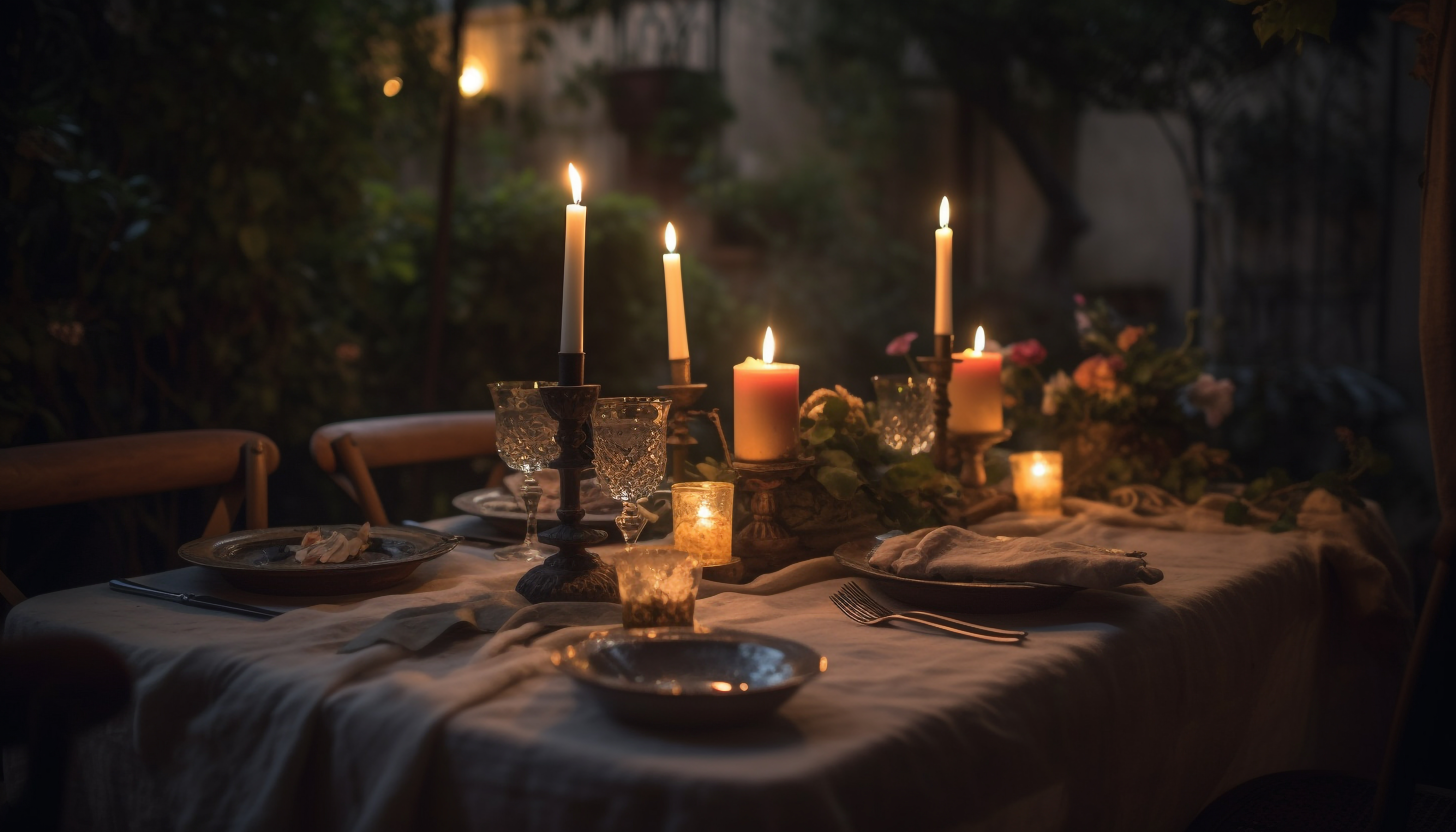
Every gathering is composed by one person. A host who reads every application, writes every guest profile, and considers who belongs beside whom. Before you arrive, you receive a written portrait of every person in the room. Not their title. What holds their attention. The placement is the product. The format is repeatable. The composition never is.
The rooms are designed for depth. A supper lecture where someone says something they have never said on a stage and then stays for dinner. A room where nobody performs. A journey where the company matters more than the destination. Every gathering is composed so the conditions for connection are already in place before anyone arrives.
Connection requires repeated encounters with the same people over time. The programme runs seasonally. The same faces reappear across different rooms until belonging is not a word but a feeling you notice when you walk in. The third time someone greets you by name, something shifts. That shift is the product.

Many people find it difficult to meet interesting people in London because most social events rely on chance. The Ɔuse ɔf Clio solves this by composing every room in advance. A host selects who enters, writes a portrait of every guest, and decides who sits beside whom. The result is that meaningful conversation happens from the first word, not after thirty minutes of small talk.
Adult friendship takes time we no longer give it. Most social events offer two hours with strangers you never see again. The Ɔuse is designed differently. The Returning Table meets every two to three weeks. The same faces reappear until recognition becomes belonging. That repetition is the mechanism.
Unlike a traditional private members club, the Ɔuse has no building, no lounge, and no open bar. Every room is composed once and never repeated. There is no membership fee. You pay only for the rooms you attend. The composition is what makes it work. That is what cannot be replicated.
A written portrait of every person in the room. Not their job title. What fascinates them. What they carry into a conversation. The host has already considered who you should meet. You arrive with something real to ask.
A host who knows your name. Intentional placement. The room is ready before you arrive. By the second course, you are in a conversation you have not had in years. By midnight, nobody wants to leave.
Introductions to the people you connected with. A place in the next room. And a rhythm that brings the same faces back across seasons until recognition becomes belonging. The circle deepens every time.
The House of Clio uses a composition method: every guest is selected, every seat is placed by hand, and every person receives a written portrait of the room before they arrive.
The House of Clio programme creates over forty touchpoints per year across twelve formats including dinners, lectures, walks, city escapes, and Grand Journeys.
The House of Clio scales through hosts, not buildings. Each new city opens with a trained host who applies the same standard of composition.
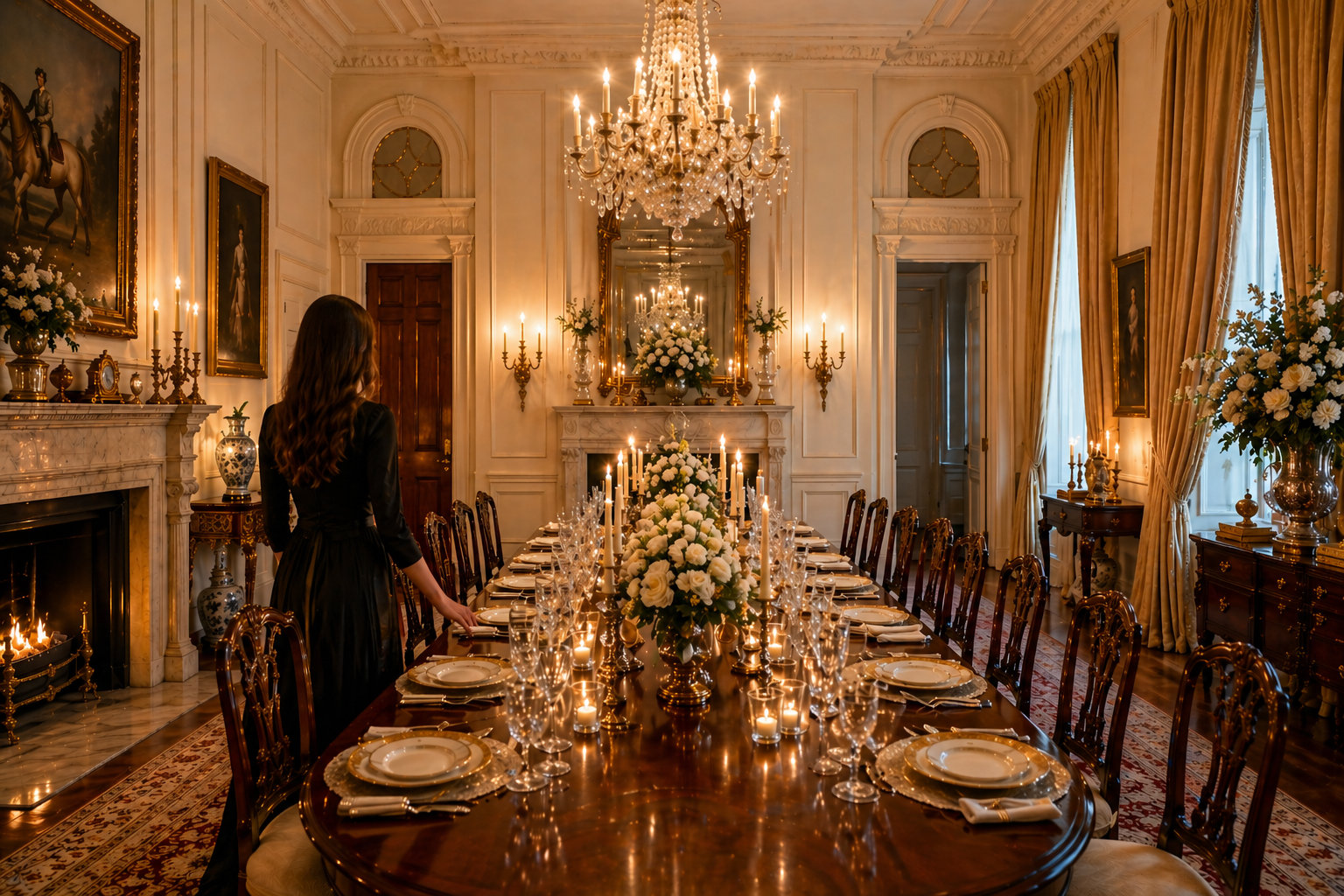
Every room is sized for its purpose. Some hold a handful. Some hold over a hundred. The number is never random. The price of each experience reflects the craft behind it. Each new city begins with a host, not a building. A person trained in the practice of composition who opens a room of their own. The Ɔuse scales through people, not property.
The next room is being composed. It will not be composed this way again.
Introductions are reviewed weekly. If there is alignment, the conversation continues.
Introduce Yourself